
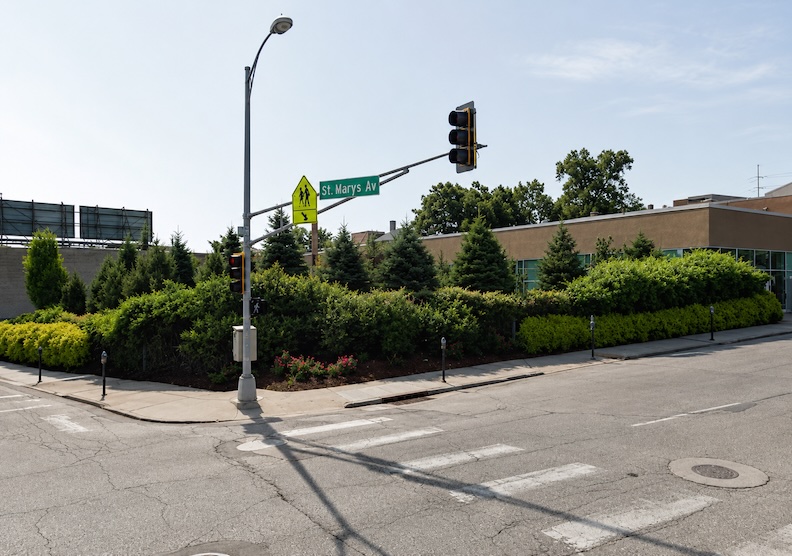
Today’s investigation will be brief—but, I hope, irresistible. Summer has a way of filling every hour, and I, for one, have every intention of finding time for a swim. Let’s gather around for just a moment. I promise this isn’t one of my overly involved architectural affairs. Before summer carries us all off in different directions, I’d like to introduce you to 1961 St. Mary’s Avenue, a property that has quietly occupied my thoughts for quite some time. I’ve been rather obsessed with it, if I’m honest. I have a feeling this one is keeping a secret or two. You’ve possibly driven past it or caught sight of it in passing. And you might just be obsessed too.
As always, I shall leave the present owner comfortably anonymous.
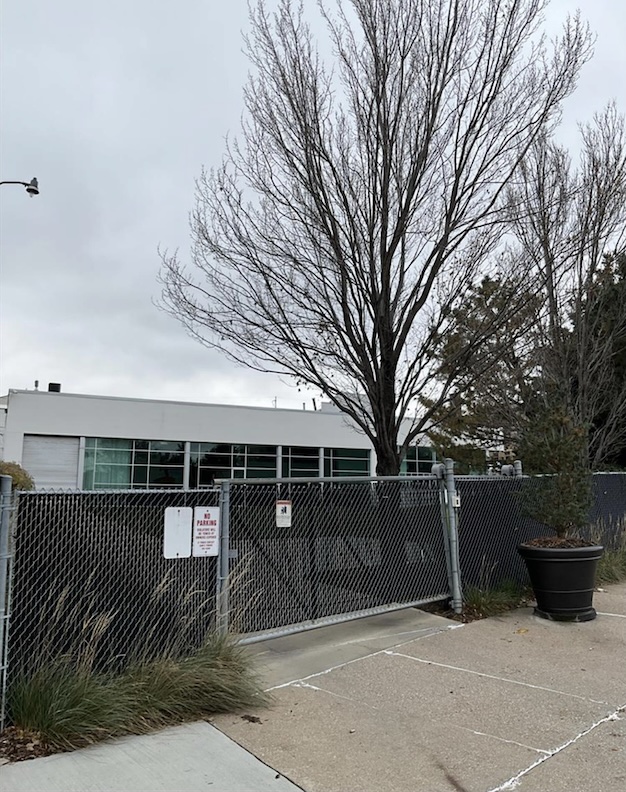
There it is. Have you seen it peeking from behind the trees and hedge? 1961 St. Mary’s Avenue is seen through the trees.
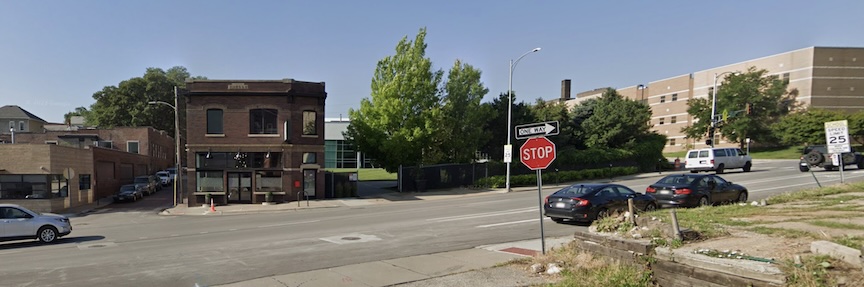
Conspicuously discreet. Camera on South 19th Avenue looking south. Liberty School is seen to the right (west).
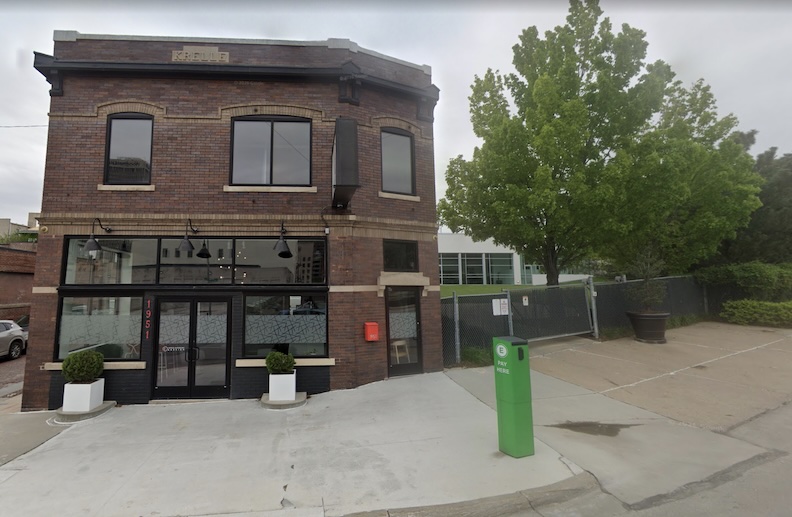
My friends’ band used to play at Chesterfield’s Bar, 1951 St. Mary’s Avenue, back in the early 1990s. (Now home to Office Interiors and Design and my… they have done a wonderful job with this building rehab!) George Krelle’s handsome dark-brown storefront at the corner of South 19th Avenue and St. Mary’s Avenue, is one of those buildings that seems almost impervious to time. Built in 1911, it still carries that cool, unphased confidence. Look for “KRELLE” spelled proudly near the roof. I share these details because we were no strangers to this corner, not too many decades ago. While hauling amplifiers and smoking cigarettes out front, another building sat quietly beside us attracting remarkably little notice.
Today, however, our attention wanders next door.
Oh geez, just one little dilly-dally for the obsessives among us—and I know precisely who you are—allow me to prescribe a small detour. Head west on St. Mary’s Avenue. Turn right onto 19th Street. At Howard, take a left, and then another onto one of my favorite oddball little streets in Omaha: 19th Avenue.
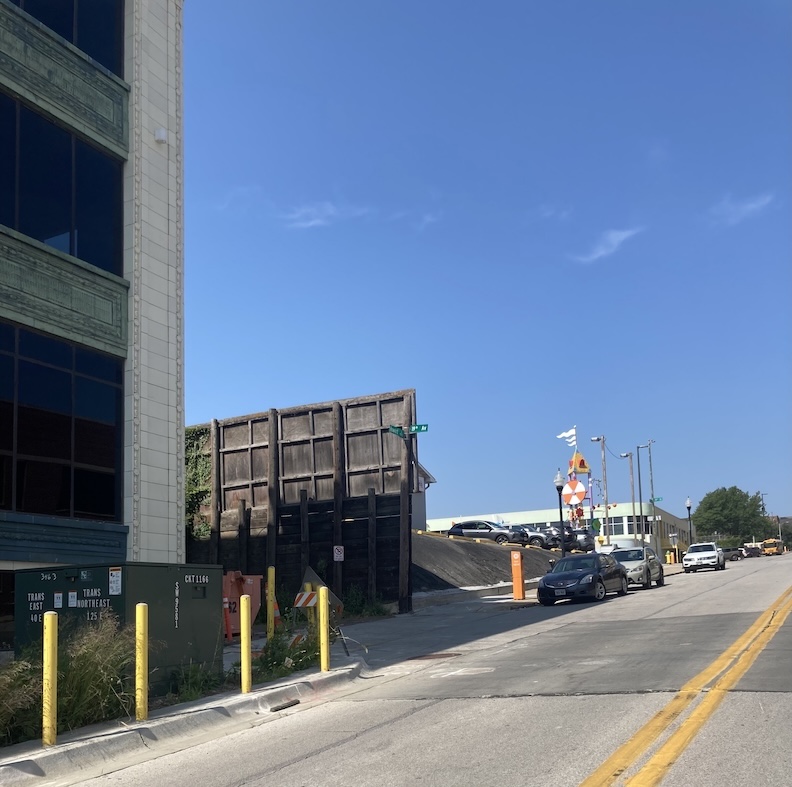
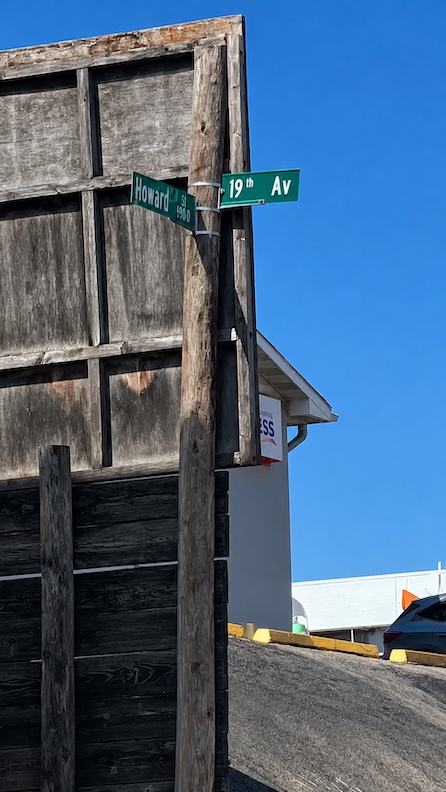
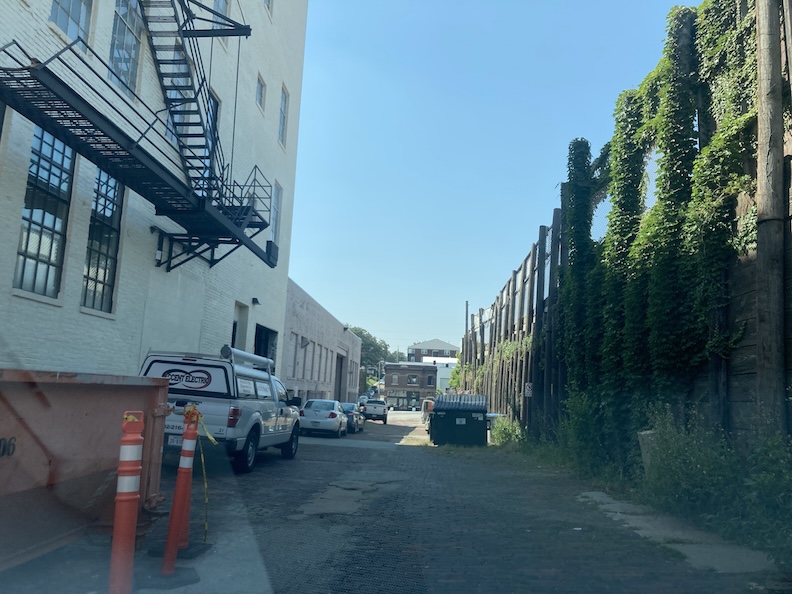
The street signs, like an old movie set. No, like Omaha, just a few decades ago. When there was wood and brick all around. Have a wander.
The short southward run from Howard to St. Mary’s is a delicious curiosity. It is not an alley, though it feels enough to be mistaken for one. Paved in old brick, strangely handsome, and just the right sort of peculiar.
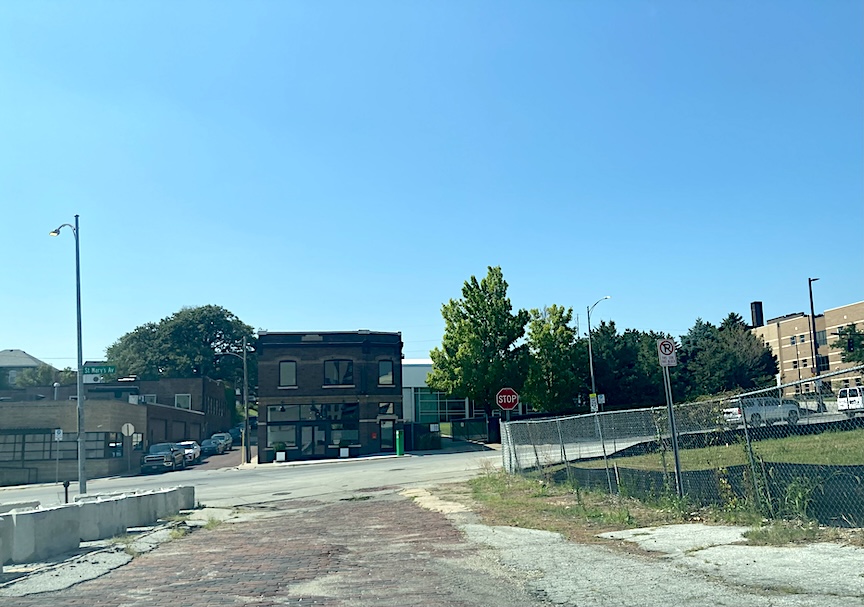
But perhaps more importantly to some of us, it deposits one in precisely the right position: directly opposite both the Krelle building and 1961 St. Mary’s Avenue, affording an excellent view without calling the slightest attention to oneself.
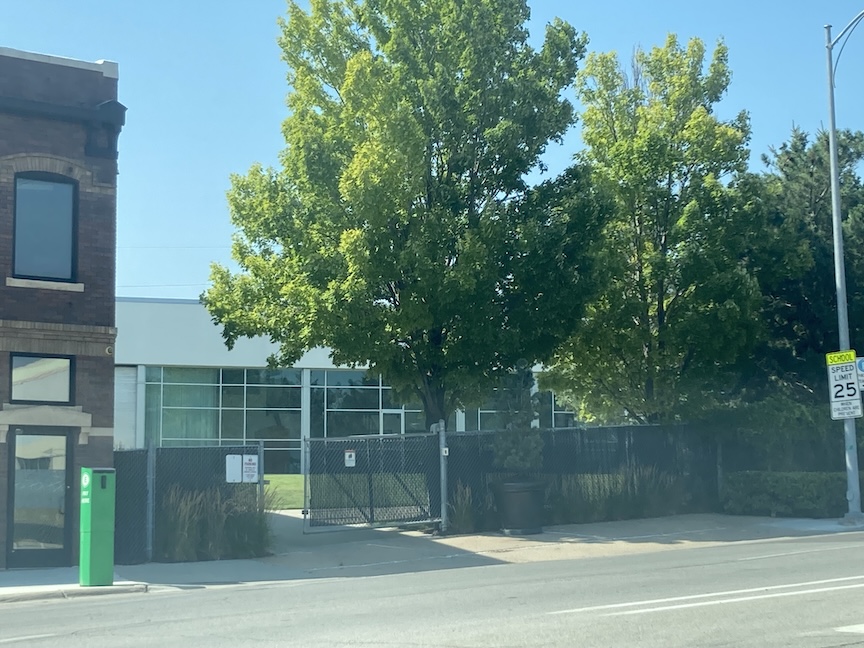
Just to the west, set well back from the sidewalk, stands our latest little mystery: 1961 St. Mary’s Avenue. From behind its hedge there is just enough of a peek to invite curiosity. Unusual fencing. Signs. Keypad. Cameras. We, who gather here in architectural neuroticism, suspect—and we are hardly ever wrong in these matters—that any building worth hiding is a building worth sniffing around. One glimpses chilled, bluish-green spotless sheets of glass, white, disciplined horizontal lines, and an almost theatrical neatness. Tidy. Clipped with almost suspicious precision. Pristine. California crisp. Everything appears so composed that one begins inventing explanations. Was this a luxurious spa hidden into the city? An industrial Mid-Century Modern home? An artist’s gallery? A scientist’s secret laboratory? Most definitely someone who valued privacy. The possibilities multiplied the longer one drooled at the gate.
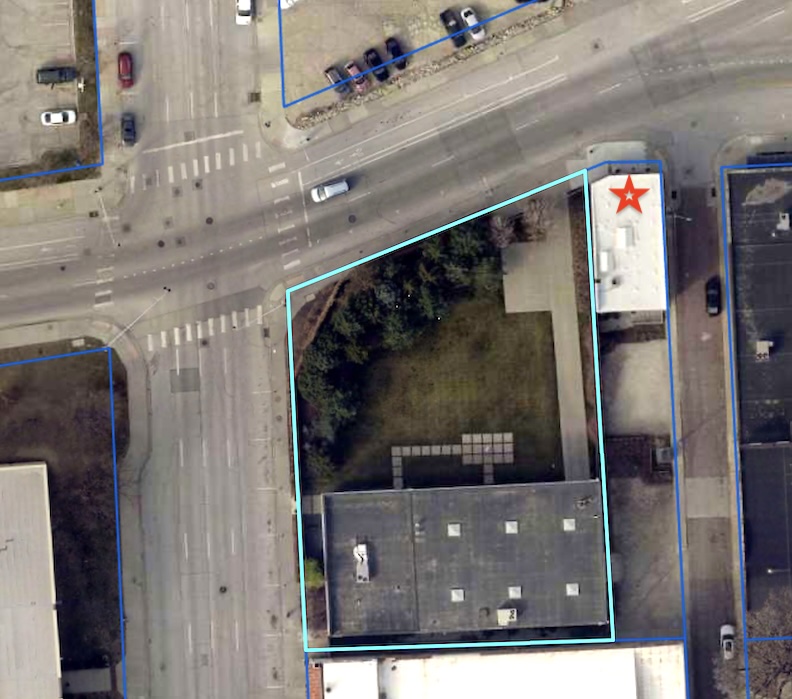
Teal blue outlines the full perimeter of 1961 St. Mary’s Avenue. North is at the top of the photograph, south at the bottom. St. Mary’s Avenue slips diagonally across the upper edge, while 20th Street marches dutifully north and south along the left side. The little red star marks the Krelle building at 1951 St. Mary’s Avenue—not because it is modest (it most certainly is not), but because it serves as the perfect measuring stick. I think we all can agree the Krelle is a substantial building. But compare it to the teal outline, and the true proportions of 1961 St. Mary’s Avenue’s building footprint quietly reveals itself. There is a whole lot of building hidden back there. Aerial photograph borrowed from the Douglas County Assessor site.
Years ago, I simply had to find out the story behind 1961 St. Mary’s Avenue and understand my original neglect of it. Here is what I found…
The History of 1961 St. Mary’s Avenue
The trail begins with what appears to be a rather dull notice in the city’s building permits—a place where mysteries often disguise themselves. On June 20, 1960, the Omaha Planning Department granted permission to build a service station at 1961 St. Mary’s Avenue. The lot, officials noted, had insufficient front and side yards.
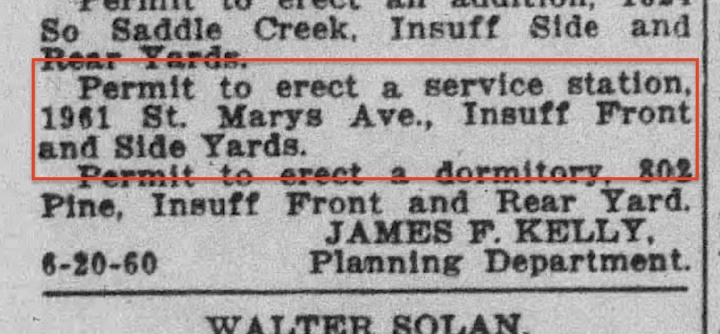
The Daily Record. June 1960.
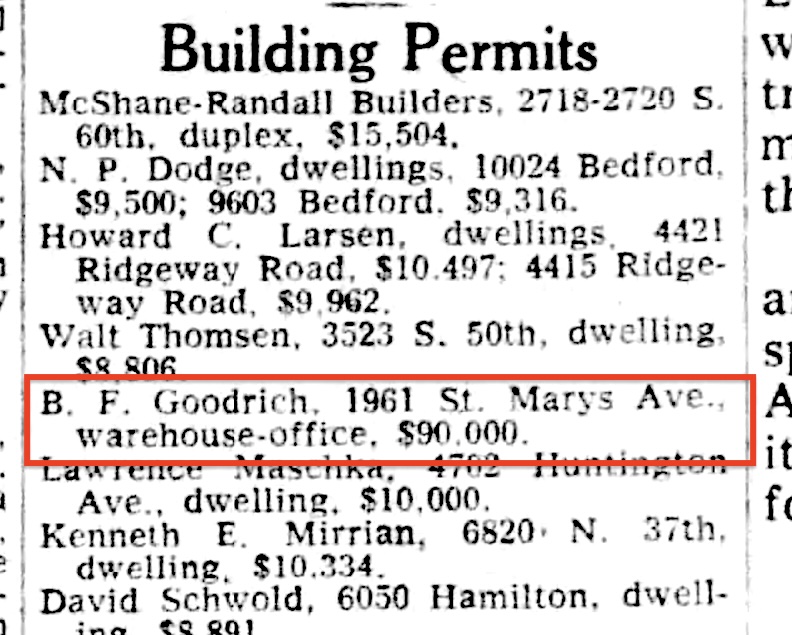
Evening World Herald. October 1960.
By October, the clues became much more interesting. The permits revealed that B. F. Goodrich wasn’t simply erecting a filling station at all. While the land itself had reportedly cost $75,000, the company had secured a $90,000 permit to construct a combined warehouse and office at the same address—well beyond changing tires and checking oil. Then came the announcement that solved the little puzzle. Construction had officially begun on a 10,000-square-foot B. F. Goodrich retail store, complete with a gasoline station and automotive service shop. The new complex would replace the company’s longtime location at 2555 Farnam Street.
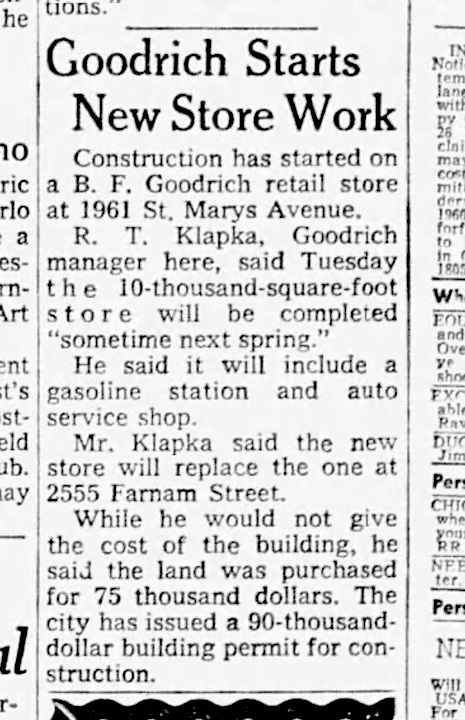
Evening World Herald. October 1960.
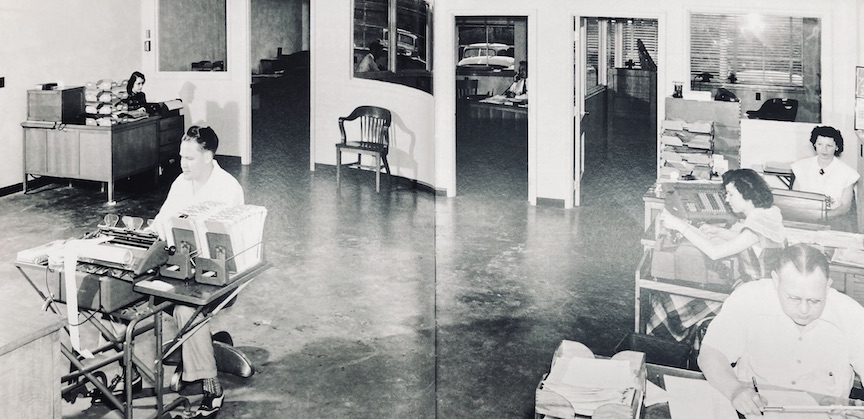
The case seemed solved almost before it had begun. By June 1961, the new B. F. Goodrich store at 1961 St. Mary’s Avenue was ready to open its doors, and it was determined to be far more than a place to buy tires. For the first time in Omaha, Goodrich gathered nearly every motoring convenience beneath one roof: a service station, brake and front-end alignment department, household appliances, radios, televisions, bicycles, and even lawn and garden equipment.
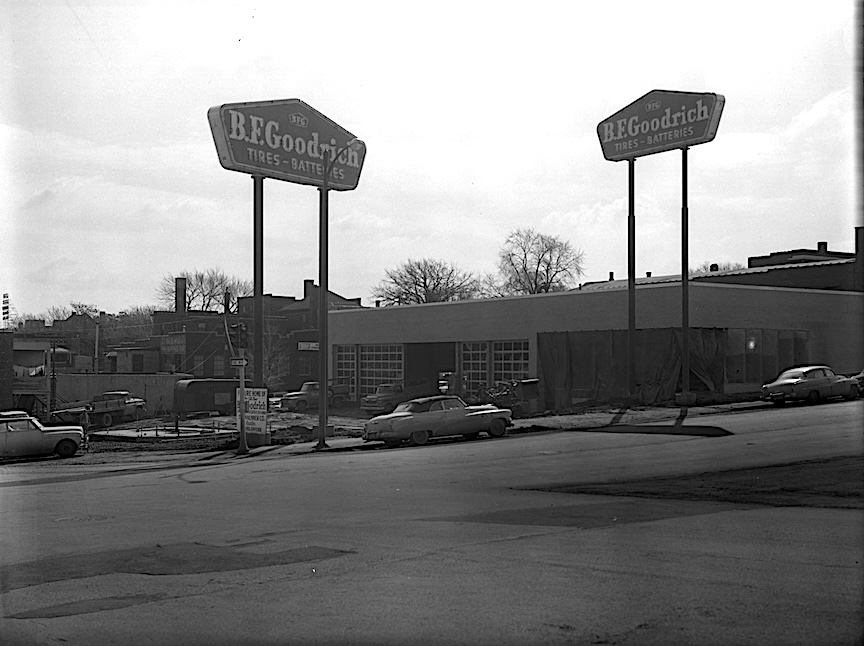
March of 1961. Finishing construction of the B.F. Goodrich Tire Company on the southwest corner of 20th and St. Mary’s Avenue. Bostwick, Louis (1868-1943) and Frohardt, Homer (1885-1972). The Durham Museum. 1961.
The building itself was considered ambitious. Constructed by the T. H. Maenner Company to Goodrich’s own design, it occupied a generous 28,000-square-foot site with parking for fifty automobiles. Recently purchased by local investors (Al Fox, Philip Fox and Herman Weinstein for $211,500) and leased back to Goodrich, the sleek new store stood as a confident declaration that St. Mary’s Avenue was becoming a thoroughfare of the future. Not only was this corner surrounded by new and used car lots, a number of the city’s taxi cab companies had their garages along these blocks.
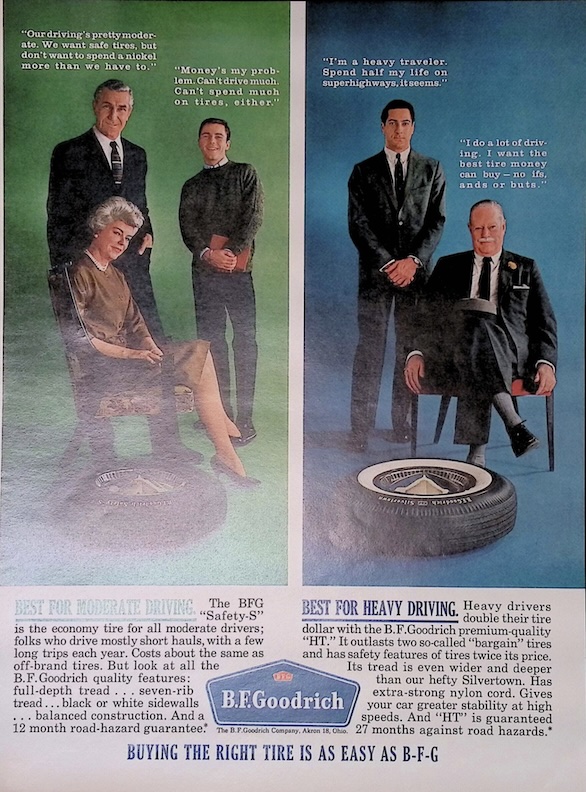
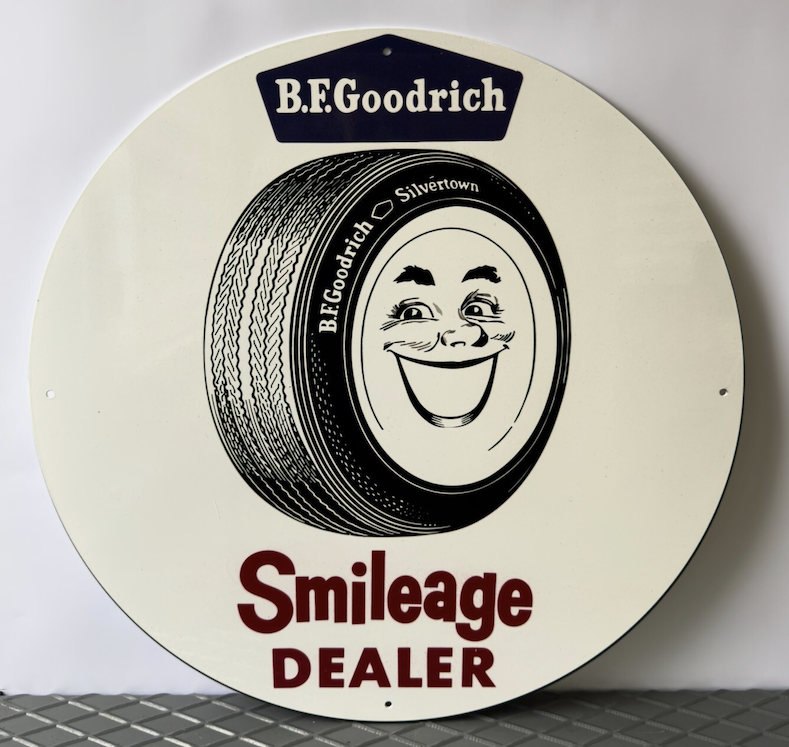
If you are anything like me, a vintage advertisement or two helps bring an era into sharper focus. In 1961 the B. F. Goodrich company wanted to project this style of confidence. B. F. Goodrich Tires print ad, 1961.
One of the nicest surprises came not from a newspaper, but from the colorized 1969 Sanborn map. Before the B. F. Goodrich building claimed our little corner of St. Mary’s Avenue, the site had been a used-car yard. I was able to see the original drawing underneath the 1969 hand drawn footprint.
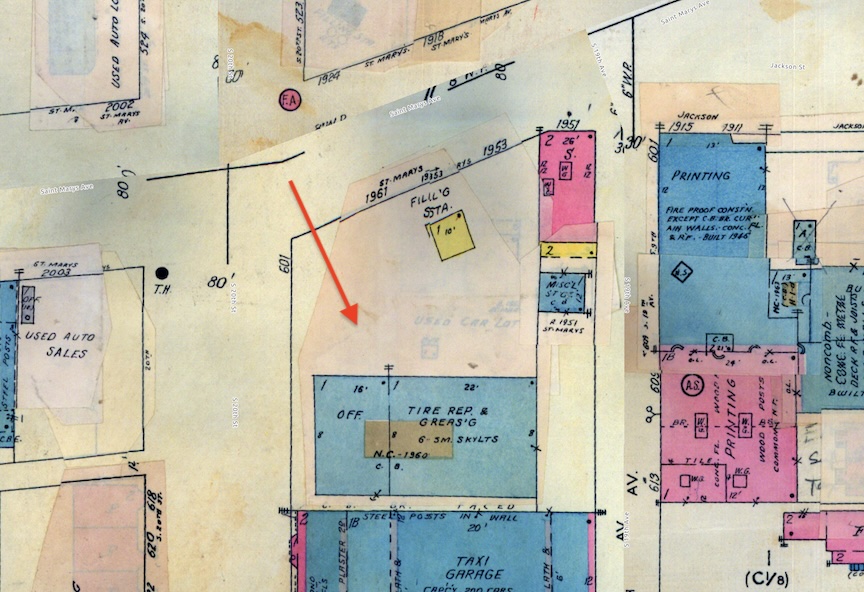
1969 Sanborn Map. Lent by Trina Westman and Shelley McCafferty of Omaha City Planning. North at top of page. South, bottom of page. Red arrow points at B. F. Goodrich building. Blue signifying cement foundation. It reads, “Tire Replacement and Greasing.” Office to the western side and mention of six skylights. Pretty exciting. The yellow box at the front of the grounds reads, “Filling station.” The yellow signifies it was a wood frame building. But beneath this layer of documentation reads “Used Car Lot” below with a small building’s footprint. Can you see it?
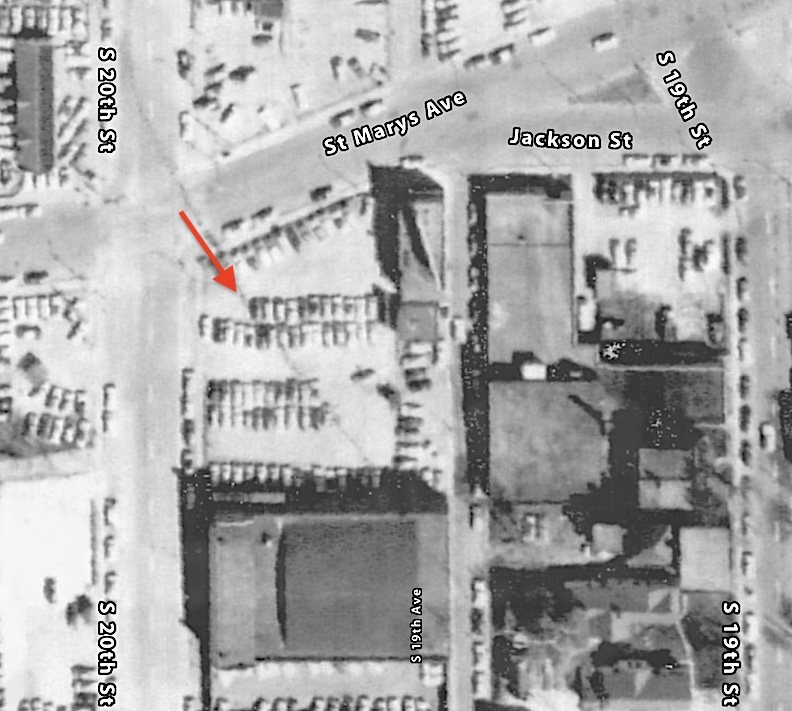
Through the Douglas County aerial photographs, I was able to find this intriguing 1955-1958 image of said car lot. Again, a red arrow points to the lot. However, at this juncture, there is no 1961 St. Mary’s Avenue building yet. 1955-1958 image borrowed from DOGIS site.
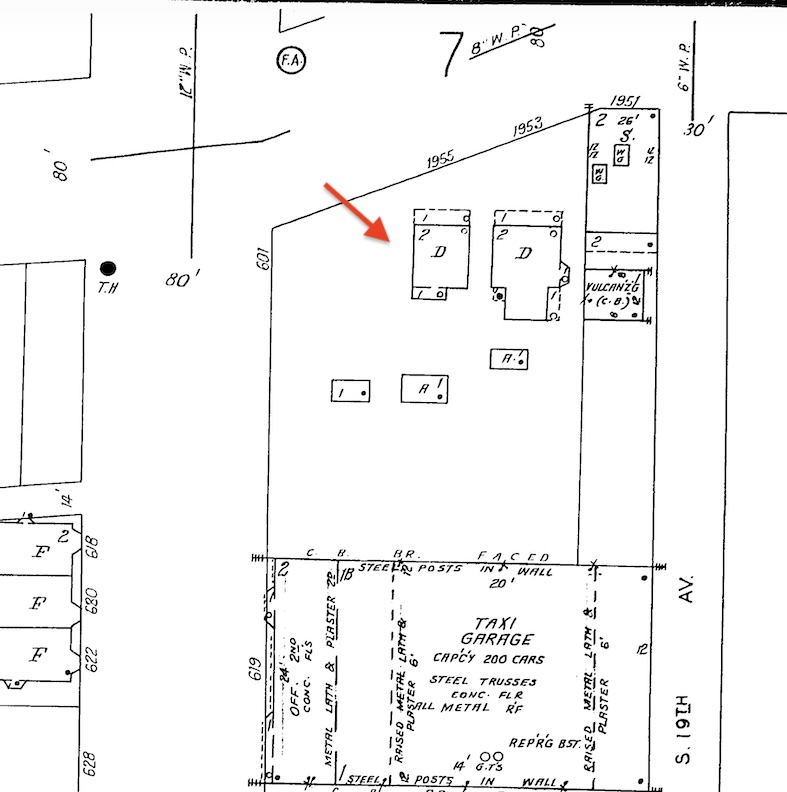
1934 Sanborn Map. Lent by Trina Westman and Shelley McCafferty of Omaha City Planning.
But even further back in the days of the 1934 hand-drawn Sanborn real estate atlas, two substantial houses and three outbuildings occupied the grounds, as was the custom along this wonderfully strange stretch of St. Mary’s Avenue. These residences were assigned the addresses of 1953 and 1955 St. Mary’s Avenue, standing shoulder to shoulder with the other handsome homes that once lined the street before time, traffic, and redevelopment rewrote the neighborhood’s story. Yet even in 1934, the clues were already there. Taxi and even bus garages, and car lots had begun to invade the once-residential block. Please check out last winter’s deep, deep, entirely unrelenting investigation into one of Omaha’s grandest vanished mansions and the remarkable neighborhood that surrounded it. That earlier expedition carried us through the estates, the caretakers, the disappearing houses, and the curious geography of old St. Mary’s Avenue. Follow here: MYSTERIES OF OMAHA: 2155 St. Mary’s Avenue.
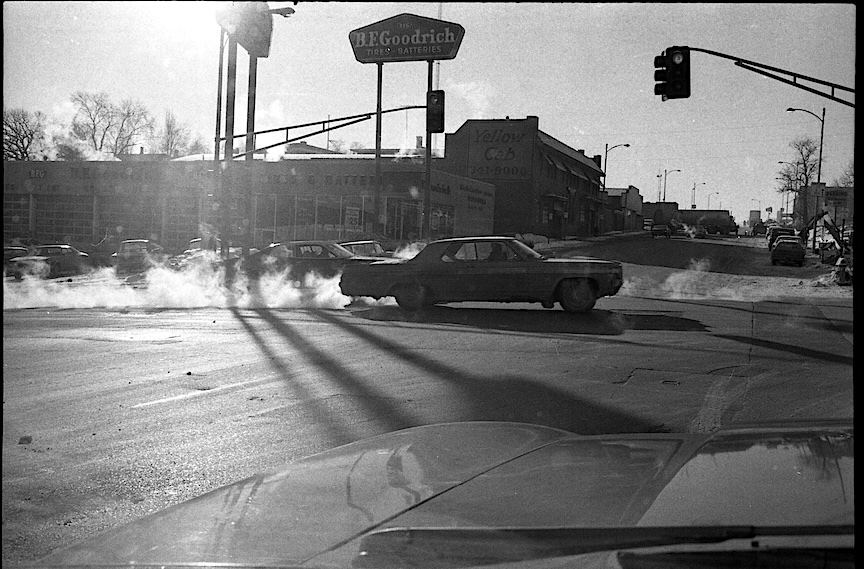
January of 1974. A car crosses in front of “B.F. Goodrich TIRES & BATTERIES” headed west of St. Mary’s Avenue. Paskach, Robert (1927-2001). The Durham Museum.
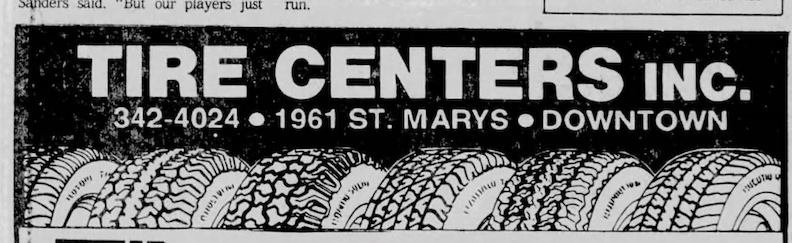
Omaha World-Herald. April, 1989.
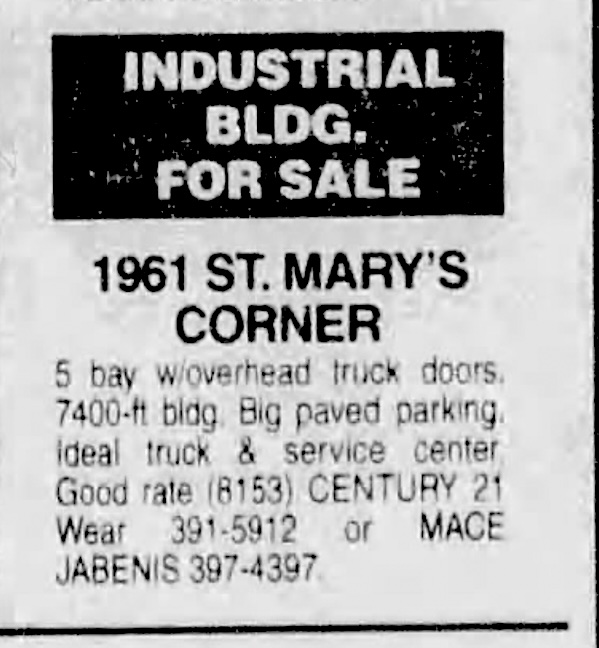
Omaha World-Herald. March of 2000.
The tire tracks offered one last little mystery. In September 1996, the B. F. Goodrich store was burglarized, and four tires made their quiet exit into the night. By December, the classifieds no longer referred to it as a tire store at all, but as the “former B. F. Goodrich building,” leading me to suspect the company had already pulled up stakes without much fanfare. Then, by March 2000, the address had been stripped of even that familiar identity, advertised simply as an “industrial building.”
The Mystery of 1961 St. Mary’s Avenue
The mystery, as it turned out, wasn’t hidden in the building’s past at all, but in its elegant second act. Forty years after opening as a B. F. Goodrich tire store, the sturdy commercial building had shed its rubber and gasoline for something altogether more unexpected: a striking post-modern residence.
The paper trail led through a succession of sales between 2000 and 2003, passing through a small constellation of LLCs that appear to have been connected with the present owner. We will not be going through those details with a fine-toothed comb, as this is not that kind of investigation. There were permits for interior remodeling, repairs, a privacy fence, and all the careful municipal choreography required to reconfigure a former tire shop into a handsome, artistic home.
The new owner, an Omaha businessman who had spent decades living in various West Omaha houses, was searching for something no new development could offer. He wanted an industrial shell—glorious, clean, expansive—that he could transform into a single-family residence. Downtown was essential. A condominium or apartment would never do. As it happened, the modernist building that B. F. Goodrich had commissioned for tires, tune-ups, and grease fittings proved almost uncannily suited to its new calling. The generous service bays became soaring living spaces. Skylights, originally intended to illuminate mechanics at work and the showroom, flooded the interior with daylight. Vast garage openings suggested airiness and modernity rather than industry. Mr. Homeowner designed the residence himself. The home has become a secret architectural showpiece, albeit, not shown.
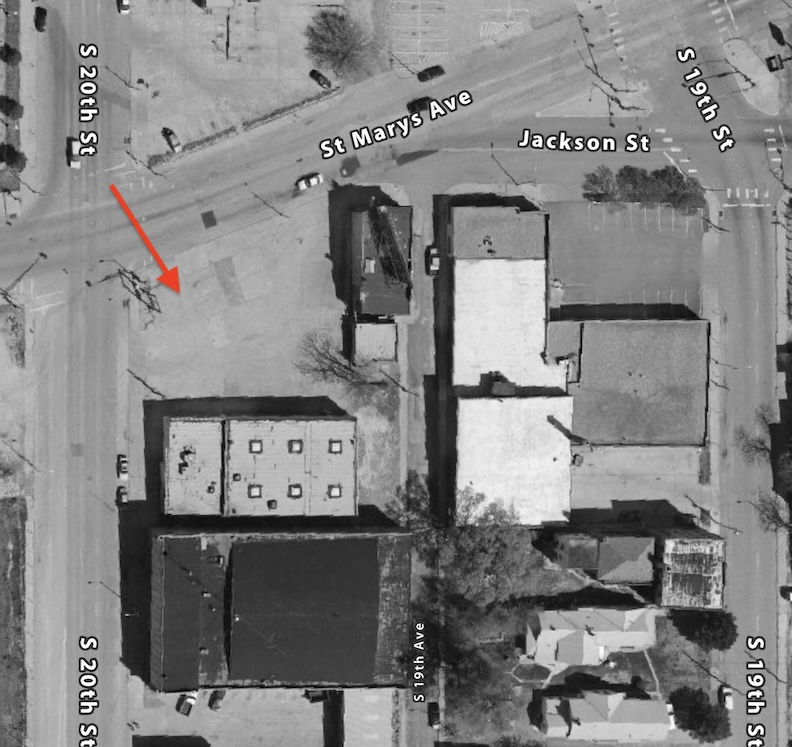
The 2001 DOGIS aerial shows none of the flirtation that would follow. It is a barren paved corner, all hard edges. Standing at the beginning of the project, the new owner had his work cut out for him.
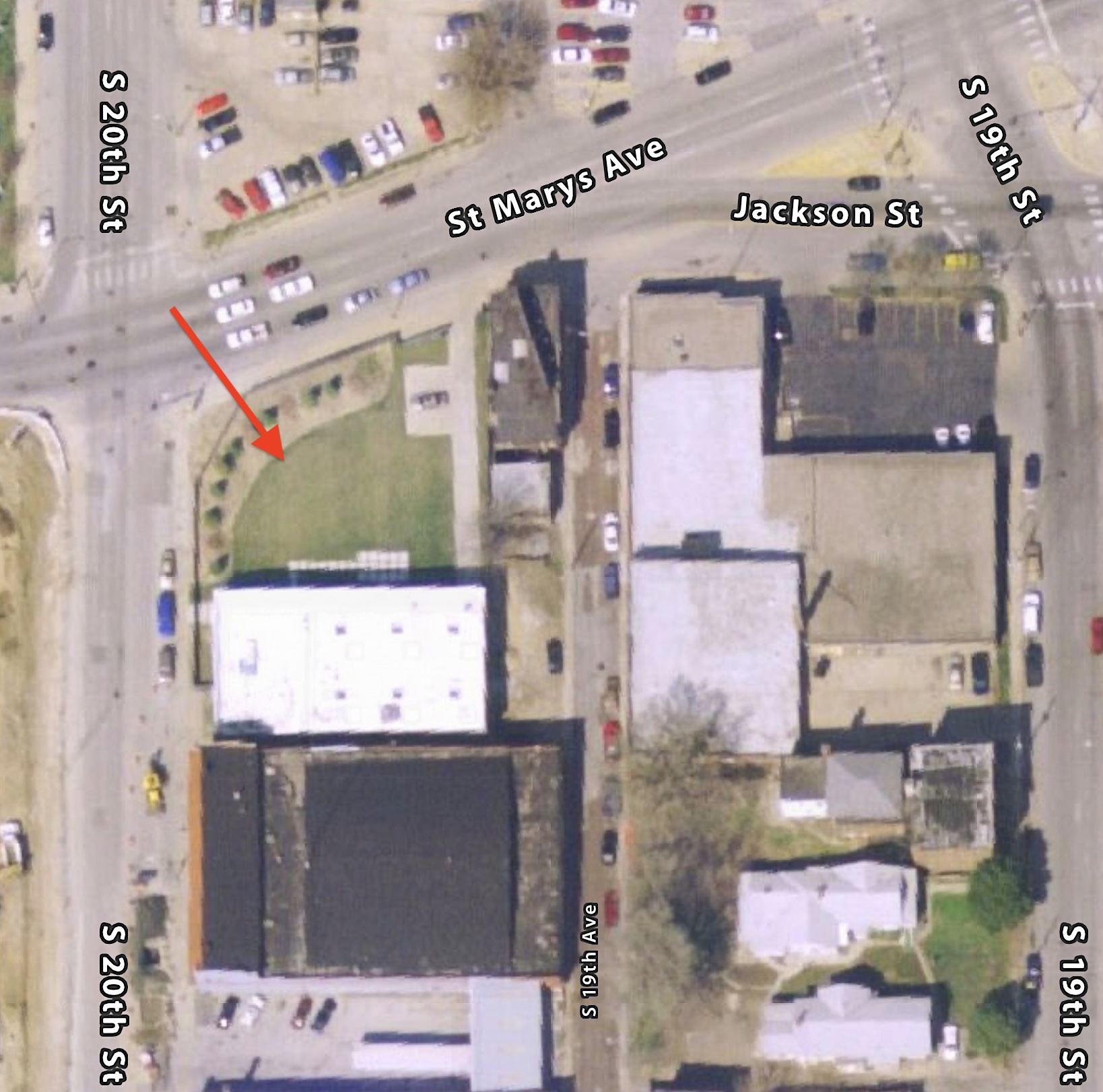
The 2002–2003 DOGIS aerial offers one of those delicious little clues that detectives adore. Here, for the first time, the hedge begins to take shape. The garden starts to assert itself. A walkway appears, carefully laid out.
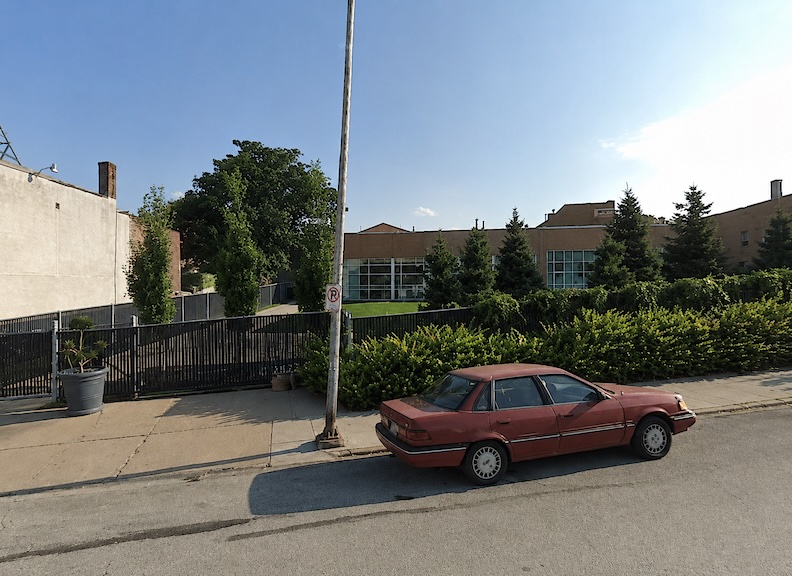
The northern elevation, photographed in 2007, captures the transformation well underway. At that time, 1961 St. Mary’s Avenue wore a quiet, neutral shade of brown.
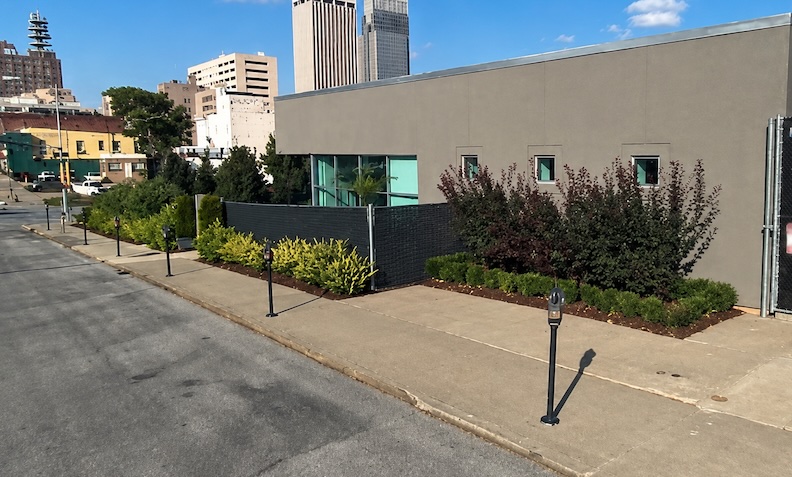
The western elevation, photographed in 2007, captures the transformation well underway. At that time, 1961 St. Mary’s Avenue wore a quiet, neutral shade of brown.
By then, the remarkable transformation of 1961 St. Mary’s Avenue had caught the discerning eye of photographer Kurt Johnson, who submitted images of the residence to Architectural Digest’s Open Auditions competition. Out of more than a thousand entries, the former Omaha tire store earned a place in the publication—a rather splendid achievement for a building that had once made its own living with grease under its nails. Johnson was captivated not merely by the building’s industrial ancestry, but by the owner’s imagination. Light poured through former service bays and skylights. Bold angles, vivid color, and expansive spaces had been composed into a home unlike any other. The old commercial shell had not been disguised; it had been celebrated. Featured in Architectural Digest on August 31, 2009, what follows are Kurt Johnson’s remarkable photographs, accompanied by my summaries and quotes from the homeowner himself.
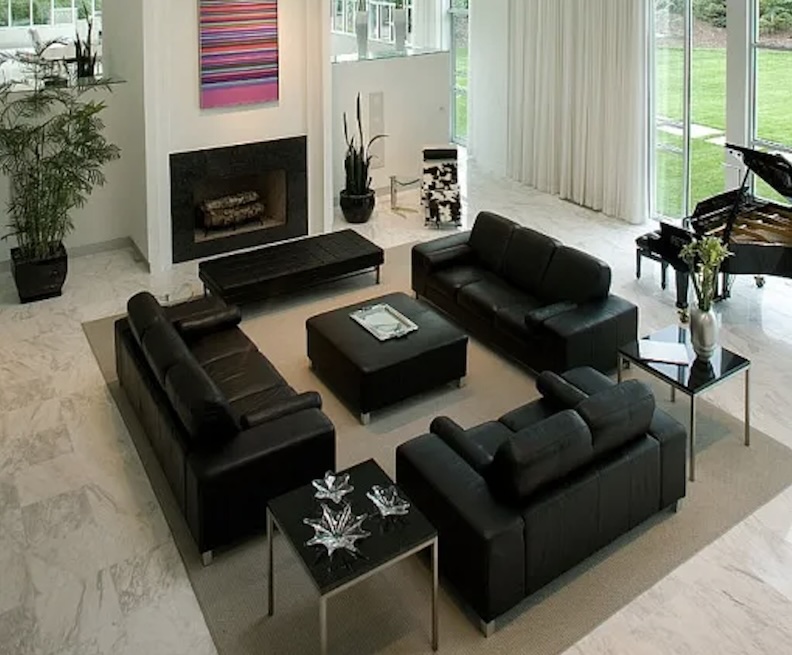
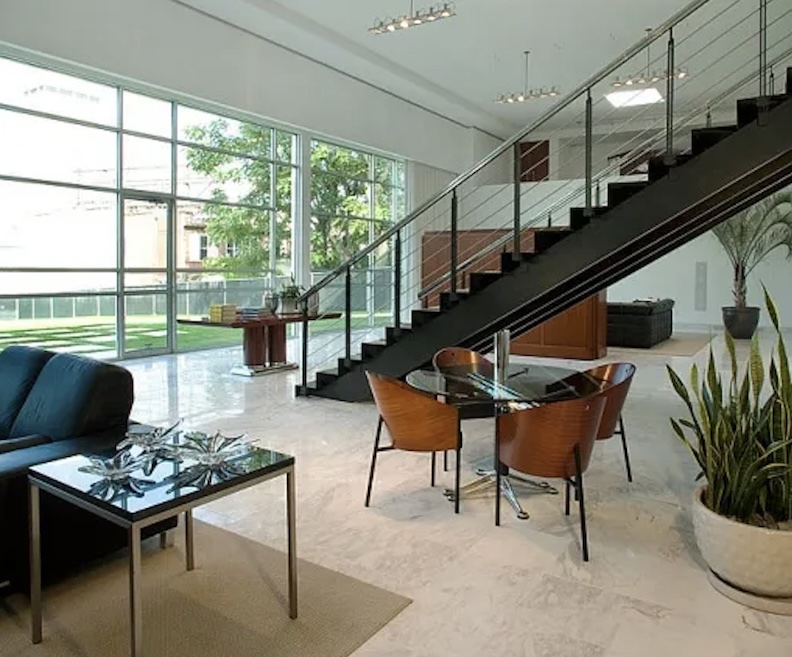
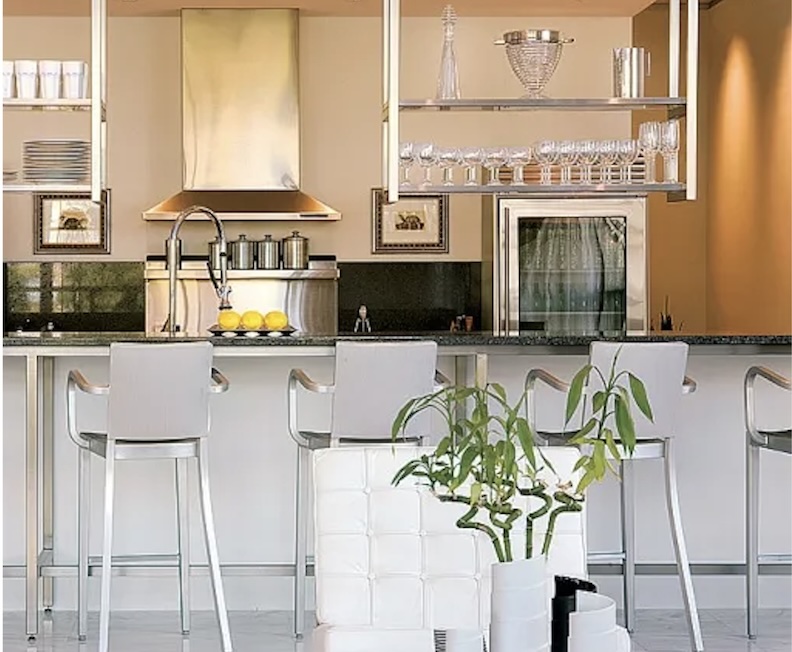
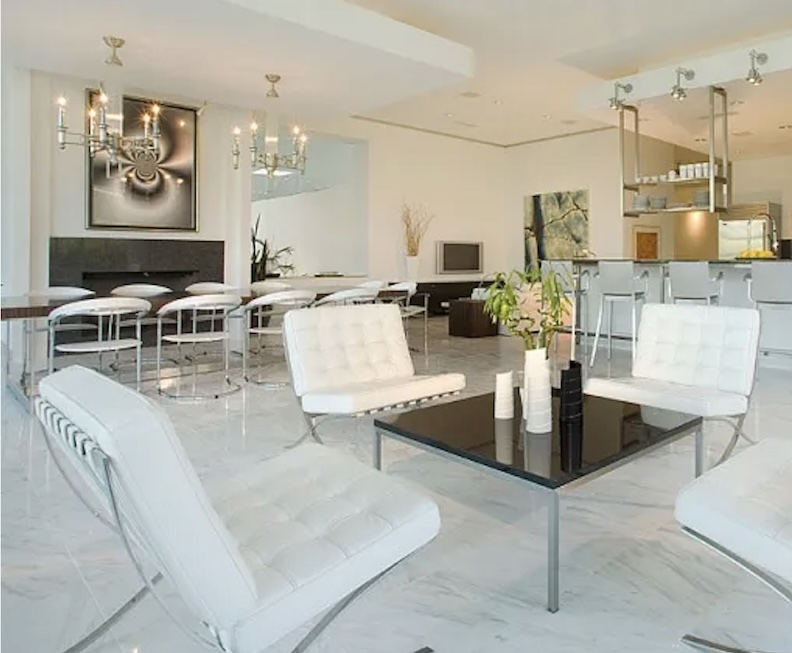
All photos are the work of Kurt Johnson, borrowed from Architectural Digest, August 31, 2009.
Where mechanics once rolled tires across concrete floors, marble now reflects streams of daylight. The old tire showroom has become gracious dining and sitting rooms gathered around a gleaming kitchen, outfitted with every modern luxury. An astonishing 10,000 square foot residence, yet the house resists the rough-and-ready warehouse aesthetic so often expected of industrial conversions. “I wanted it more finished than a typical loft,” Mr. Homeowner remarked. “The idea for my house,” he said, “was open space that I use every day—clean, Modern, with a déco influence.” Twenty-foot ceilings—once necessary to accommodate hydraulic lifts—now lend the principal living room the grandeur of a gallery, while fifteen-foot windows frame the Omaha skyline like an ever-changing painting. At the far end waits a home theater, tucked into the distance, out of camera’s view.
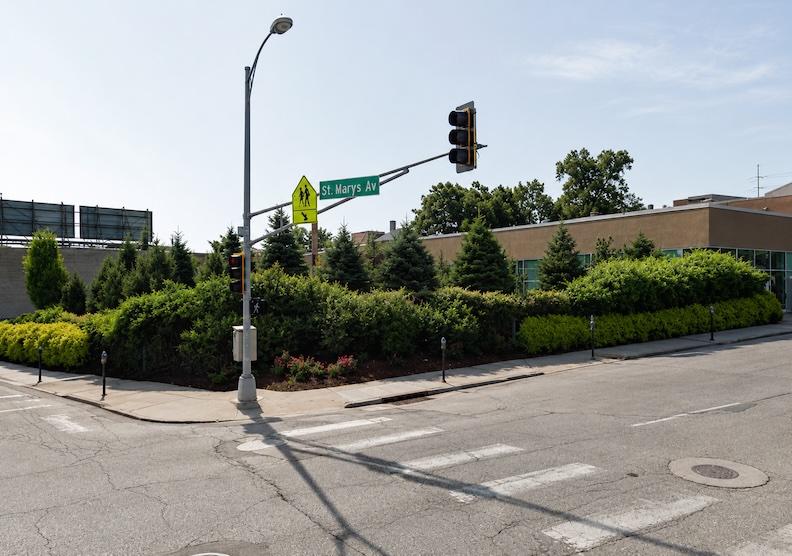
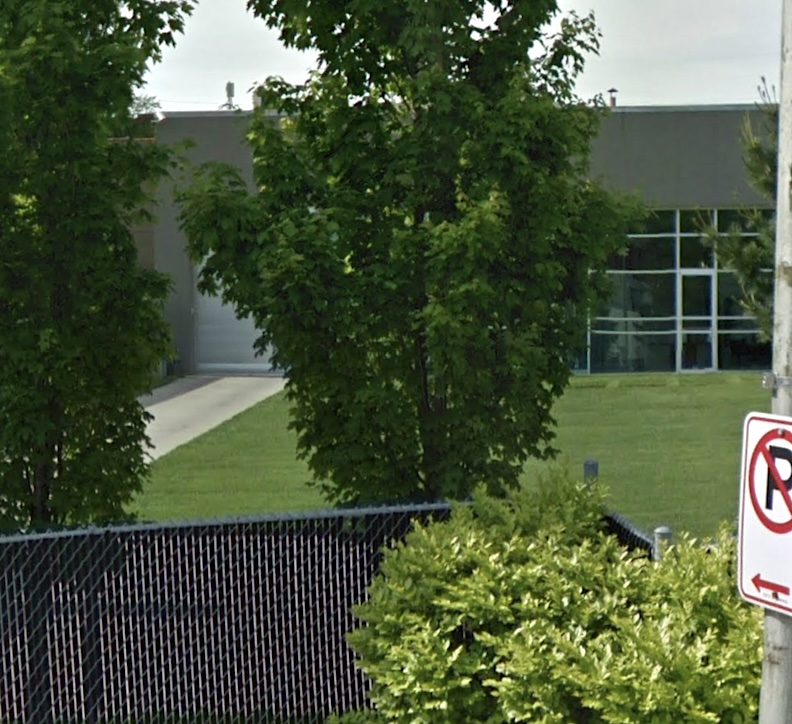
2011 photos of 1961 St. Mary’s Avenue.
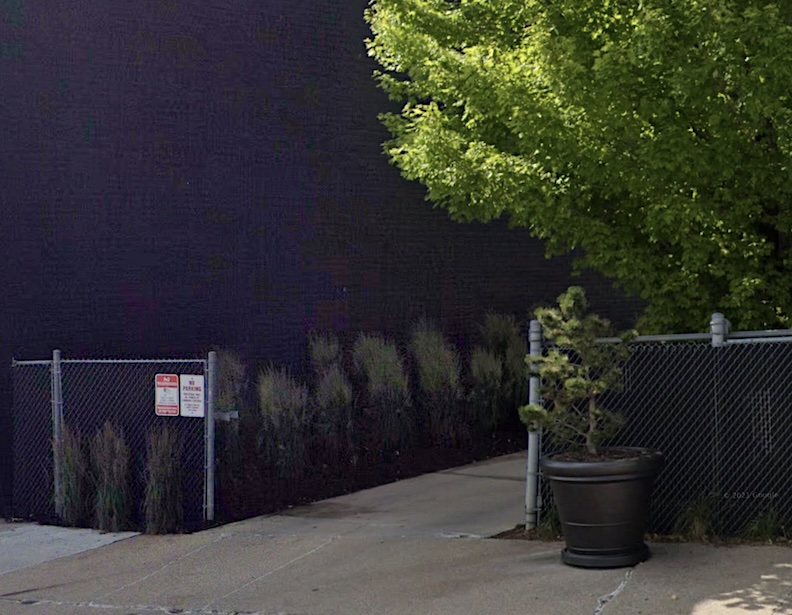
2019 entry.
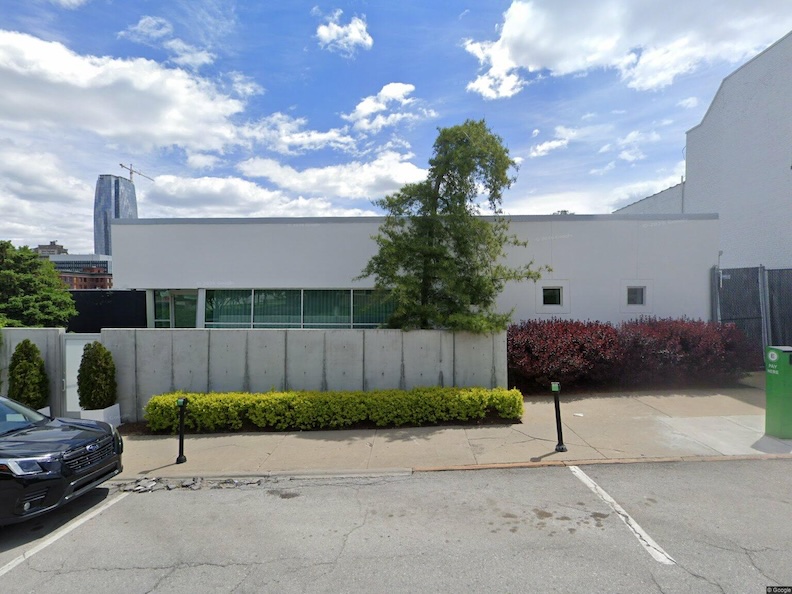
More current view of western elevation. Home is now white.
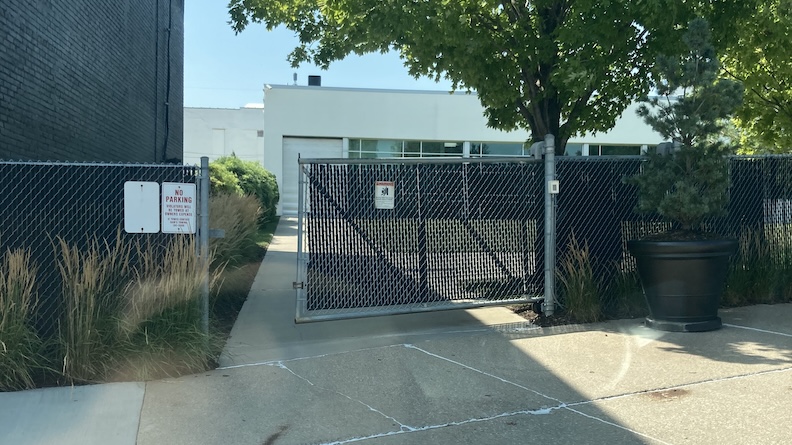
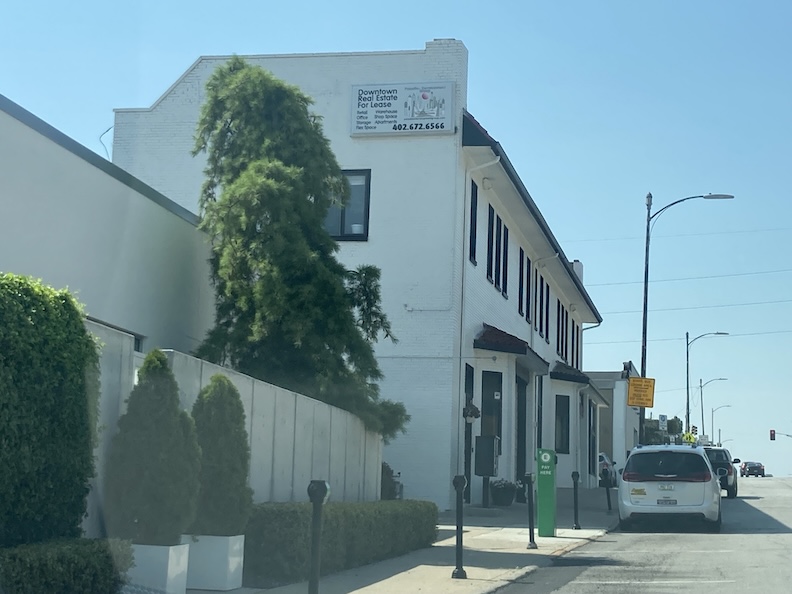
How 1961 St. Mary’s Avenue meets the building immediately to its south along 20th Street.
Today the 1961 St. Mary’s Avenue building has become one of Omaha’s quiet architectural triumphs—a remarkable house that almost nobody sees. It stands discreetly behind its hedge, revealing only enough to stir curiosity. Some mysteries are solved only to become even more intriguing.
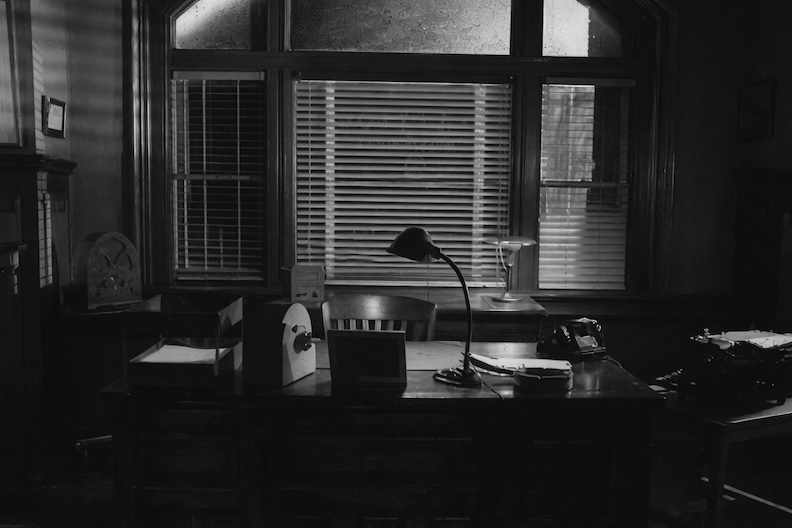
On a personal note, I would like to thank Mr. Homeowner for choosing the far more difficult path. One can only imagine the planning, expense, patience, and imagination required to transform a former tire store into an extraordinary residence. Adaptive reuse is rarely the easiest solution, but it is so often the most rewarding. We have all watched perfectly serviceable buildings and handsome old homes disappear beneath the refrain that it is simply “cheaper to tear down and rebuild.” History, craftsmanship, character, and imagination deserve a place in the ledger as well as thrift. Projects like 1961 St. Mary’s Avenue remind us that yesterday’s commercial buildings can become tomorrow’s homes—that a business or office can, with enough vision, become a warm and deeply personal place to live.
So, thank you, Mr. Homeowner of 1961 St. Mary’s Avenue. Thank you for seeing possibility. Thank you for preserving a piece of Omaha’s architectural story while quietly adding a fascinating new chapter to it.
For the love of the architectural gods—and everything civilized in this realm—please resist the temptation to press the keypad or wander onto the property simply because the house has acquired a wonderfully interesting biography. Every good mystery deserves a respectful audience, not an unexpected visitor. Admire it from the public street, enjoy the glimpse through the hedge, and allow this remarkable home the privacy that has become such an essential part of its charm.
And now I plan to go swimming.
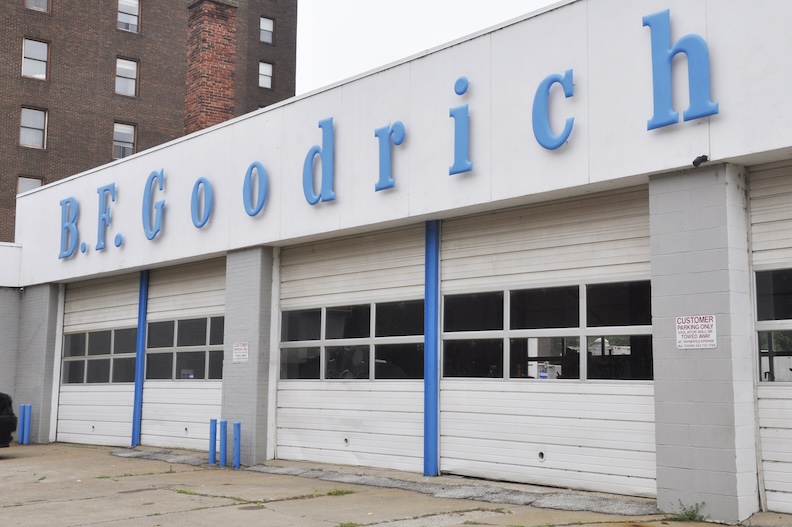
This was a Goodrich tire store in the early 1970s. I did not take this photograph. It is borrowed from RoadsideArchitecture.com
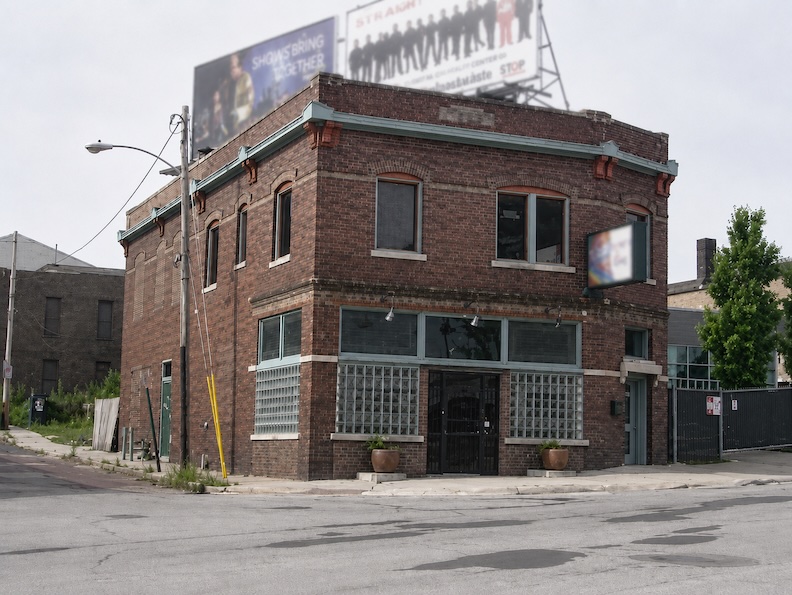
1951 St. Mary’s Avenue, the George Krelle building before recent renovations.
Accept no substitutes. Check back often for the real deal. The Real In-depth Deal. You can keep up with my latest investigations by joining my email group. Click on “Contact” then look for “Sign me up for the Newsletter!” Enter your email address. You will get sent email updates every time I have written a new article. Also feel free to join My Omaha Obsession on Facebook.
With love,
Miss Cassette
If you are looking for more architectural and Omaha history sleuthing fun, ask your local or bigbox bookseller for my book: My Omaha Obsession: Searching for the City. Also available everywhere online. Thank you.
I welcome your feedback and comments on B. F. Goodrich, this great home and area. Please share your additional clues to the story in the “Comments.” Everyone would enjoy reading what you have to say, and it makes the sharing of Omaha history more fun. You can use an anonymous smokescreen name if need be. We want to hear from you.
This report was brought to you by Miss Cassette and the Cassette Detective Agency. We work hard, so you don’t have to.
© Miss Cassette and myomahaobsession, 2026. Unauthorized use and/or duplication of this material without express and written permission from this site’s author and/or owner is strictly prohibited. Excerpts and links may be used, provided that full and clear credit is given to Miss Cassette and myomahaobsession with appropriate and specific direction to the original content.
What a fun post! You always reveal such gems around the city that it makes me wonder just how much I overlook. I never went to Chesterfields, but I believe there was also a bar at 1951 St Mary’s Ave in the late 90s/early 2000’s called “My Place” bar, OR maybe it was “Your Place” bar – either way, it had old McDonald’s booths down the center of the bar, parallel to the bar itself, and a dance floor. Regulars from both the Rose & Crown Bar and the My/Your Place bar would walk back and forth across St Mary’s Ave to frequent both establishments. I’d forgotten about that little bar until seeing the pic at the beginning of your post.
Hi Trilety! I love this. I did frequent the old Rose n Crown in that time period…what a hoot. But I never did teeter across St. Mary’s to this other bar you speak of. The name seems familiar and I am sure I saw it in passing. I just found an older photo of the 1951 St. Mary’s Ave bar and will put it into the story now. Thanks so much for the funny memory. Those were the good days.
As always you delight us with a fascinating tale of the lesser known places in Omaha. I love what Mr. Homeowner did with the building. It is stunning and what a beautiful home the commercial became. wow. Keep up the good sleuthing!
Hi S! Thanks so much for writing in. I, too, appreciate what he has done and love the use of the unconventional to create something so spacious and delicious. Please take care!
Talk about “Mad Men” era advertising… the “Heavy Driver” in the Blue ad literally looks like Jon Hamm/Don Draper
My mom worked at this BF Goodrich in the mid to late 70s.